Sewing and Dressmaking Tips For Beginners
Are you new to sewing and dressmaking, or just fairly inexperienced? This page contains a selection of articles from our sewing tips blog that are specifically useful for new or inexperienced dressmakers. From the basics like fabric grain, stitch types and interfacing, to useful common alteration techniques like lengthening and shortening patterns, you’ll find a selection of information here that will aid you on your sewing journey. When you’re ready to choose a pattern, select “skill - beginner” on our main patterns page.
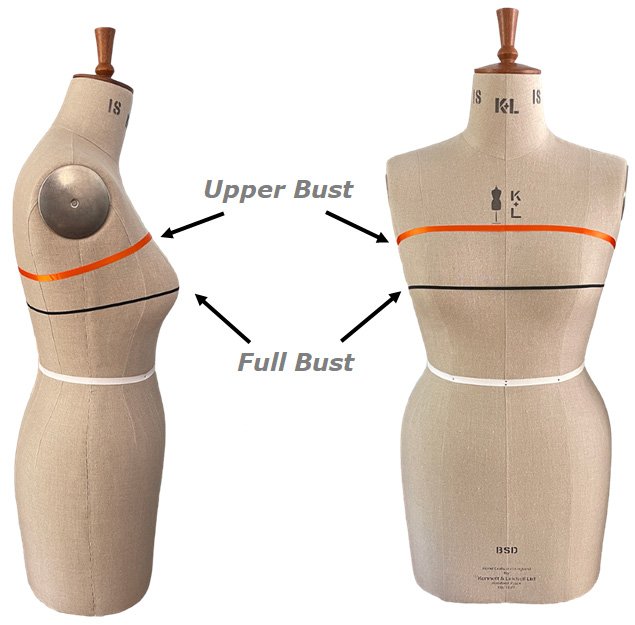
A tutorial on how to do a Full Bust Adjustment, suitable for beginners and including a video tutorial. A full bust adjustment is a great way of getting a better fit if you have a full bust without having to size up and have the pattern not fit you properly elsewhere or leaving you with a gaping neckline. We take a look at how to do an FBA in the most common situation - a bodice with a bust dart.
New to Dressmaking? Here’s some beginner’s information to get you started, including choosing a pattern, the easiest to use fabrics, understanding sizing, cutting layouts, and lots of other beginner friendly tips.
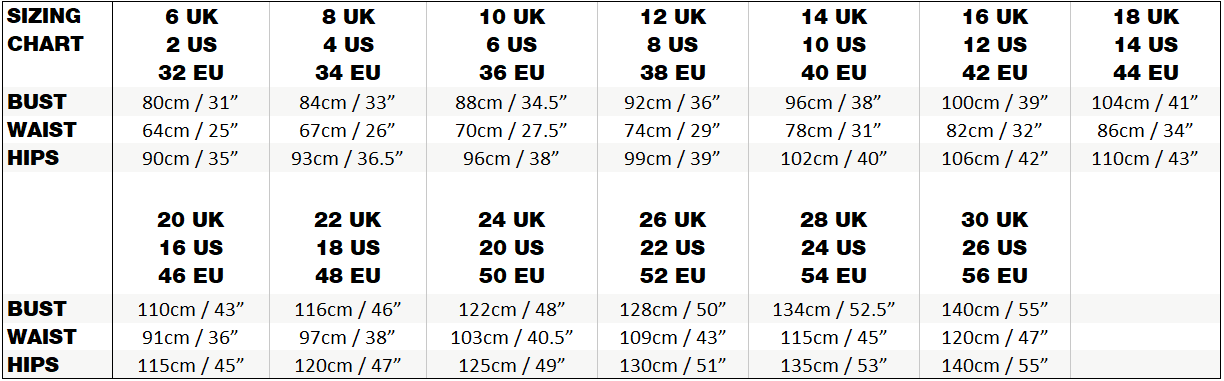
One of the most common mistakes in dressmaking is making up the wrong size. If you want the best results it’s not as simple as making “an 18”. Let’s look at how to use sizing charts, finished measurements and toiles to get the best possible fit.
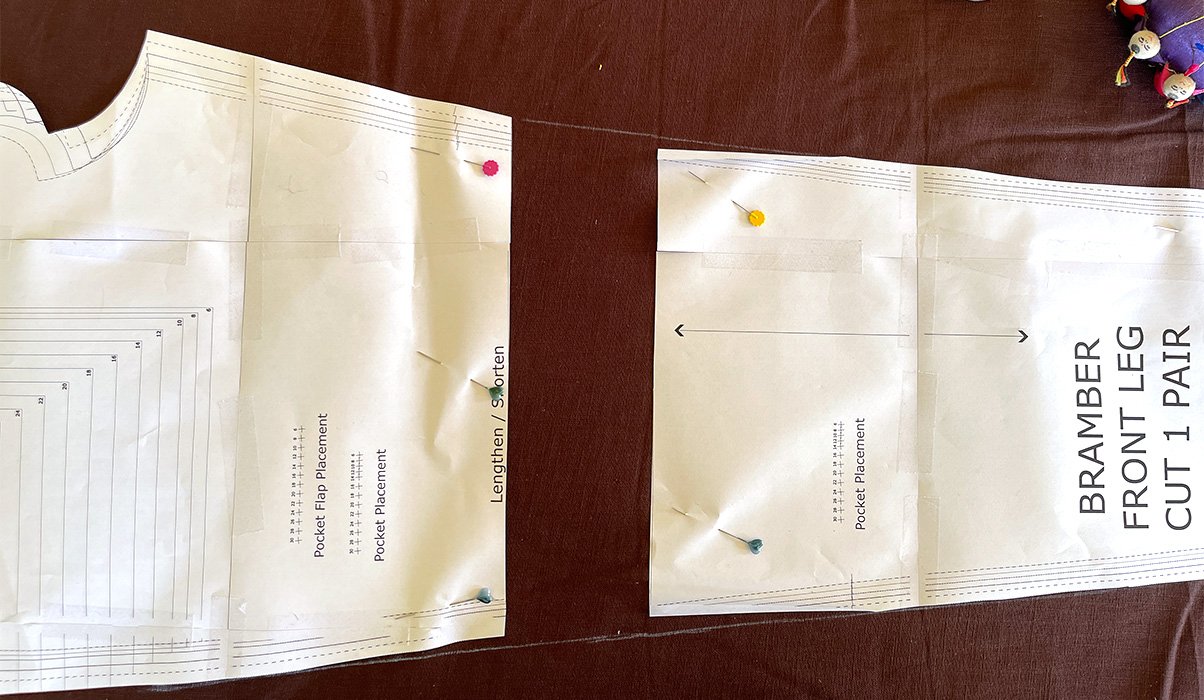
Everyone is a different height and has different length legs, so getting a pair of trousers/pants that are the perfect length straight from the pattern is rare. Thankfully, altering the length is relatively simple in most cases. This tutorial shows you how to lengthen a trousers/pants pattern, using our Bramber Trousers pattern as an example, and also covers cases where you have a turn-up hem.

Applying fusible (iron-on) interfacing to fabric when dressmaking is relatively straightforward, but getting neat results can be tricky, especially for beginners. Block cutting your fabric and interfacing can make it much easier to produce good results. This blog post shows you how and includes a video tutorial.

Learn how to add in-seam pockets to the garment of your choice! With a free in-seam pocket pattern.
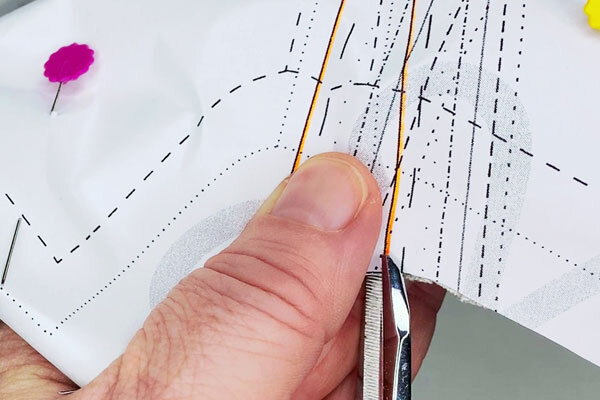
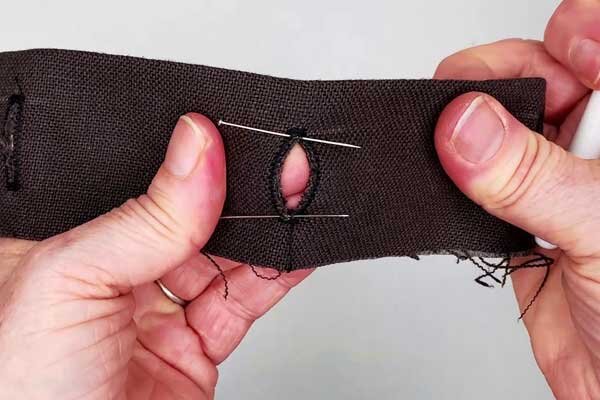
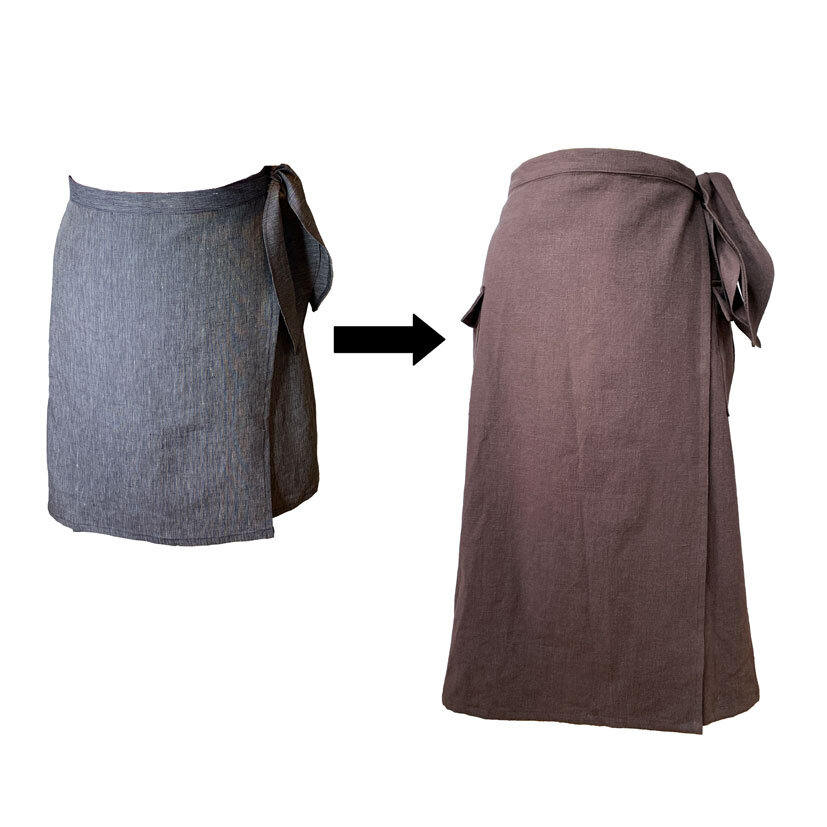
In this post I’ll show you how to lengthen a skirt pattern, using the Boxgrove skirt as an example. The principal can be used on other skirts or even dresses.
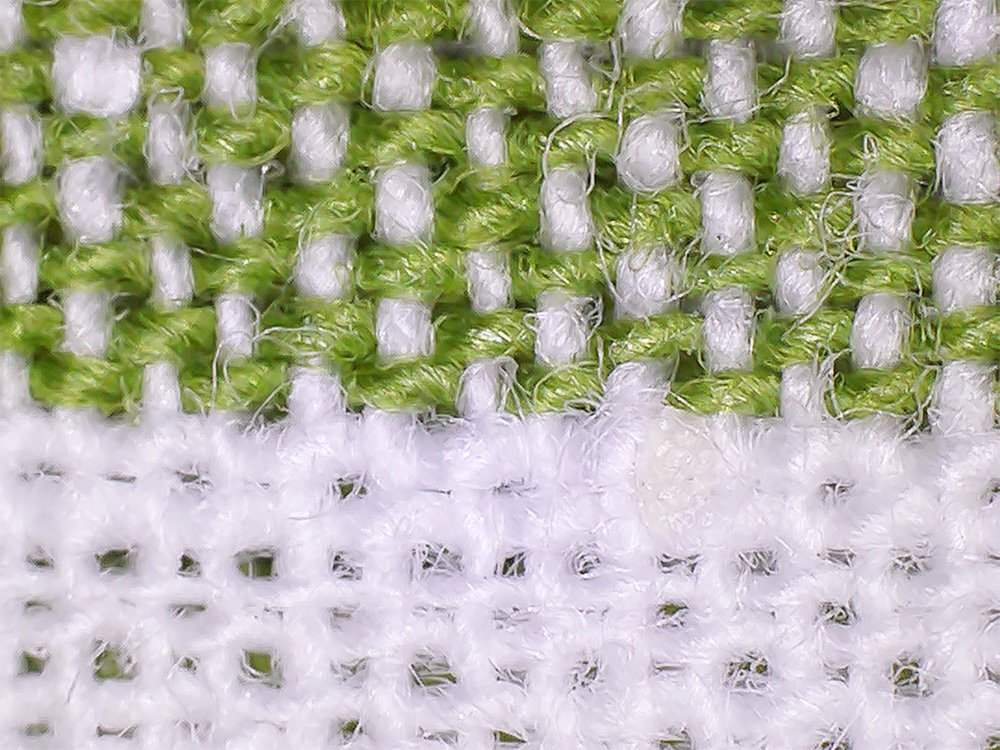
What is grain in a woven fabric? What’s the grain line & why is it important? Understanding fabric grain and grain lines when laying out and cutting out your dressmaking pattern is vital to getting a good make, and ensuring the strength and stretch of your fabric is aligning with the length and width of your garment. Let’s look at how to understand your fabric and ensure you don’t end up with misshapen clothes.
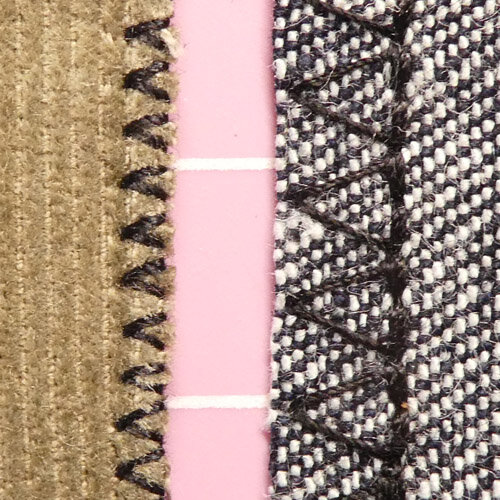
Which sewing machine stitches do you actually need, and what are they for? Despite the dizzying array of stitch types on many machines, there’s only really a handful of stitch types that you’ll need for dressmaking, others are nice to have, but these are the basic types you’ll find on all sewing machines and will allow you to make any garment you wish.
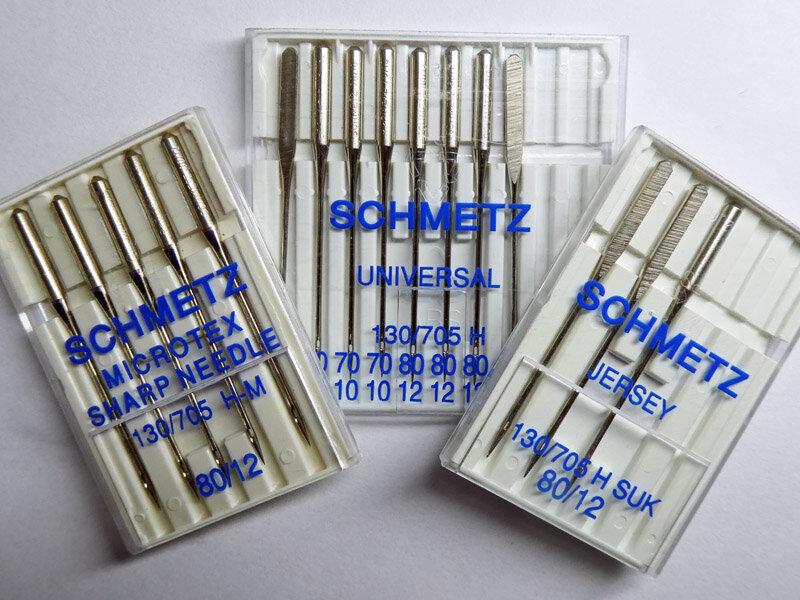
There are lots of sewing machine needle types & sizes. Here’s a quick guide to what they are all for.
Whether it’s the workhorse plain seam, a fancy top stitched seam or a slinky French seam, there’s a simple way to stitch all of them. Let’s look at six of the most common seams used in dressmaking, including a downloadable seams chart with cross sectional diagrams for the ultimate seams cheat-sheet.