How Sussex Seamstress Sewing Patterns Are Made
How are our sewing patterns designed and made?
I recently came across a comment on social media that read “Most indie pattern makers use A.I. to make their patterns now”.
It really caught me off guard. A.I. has generated so much (rightful) distrust that the narrative of “everything is AI now” has started to creep in to our own little corner of the sewing world.
There are definitely lots of AI scams out there, and if you buy cheap PDFs from certain online marketplaces (we won’t name them here) then you’re probably going to encounter them. But the majority of indie pattern makers are extremely hard working, creative people, who aren’t just clicking the “make a pattern” button.
Does that mean no AI is being used at all? As you’ll know, AI is being integrated into the software and devices we all use every day. If we click “remove background” on a photograph, the software is probably using AI to do that. When we remove background noise from a tutorial voice over (our dog really loves to snore during them!), the software is using AI to do that.
But most indies are not using AI to create sewing patterns.
So let’s show you how our sewing patterns are made.
Background
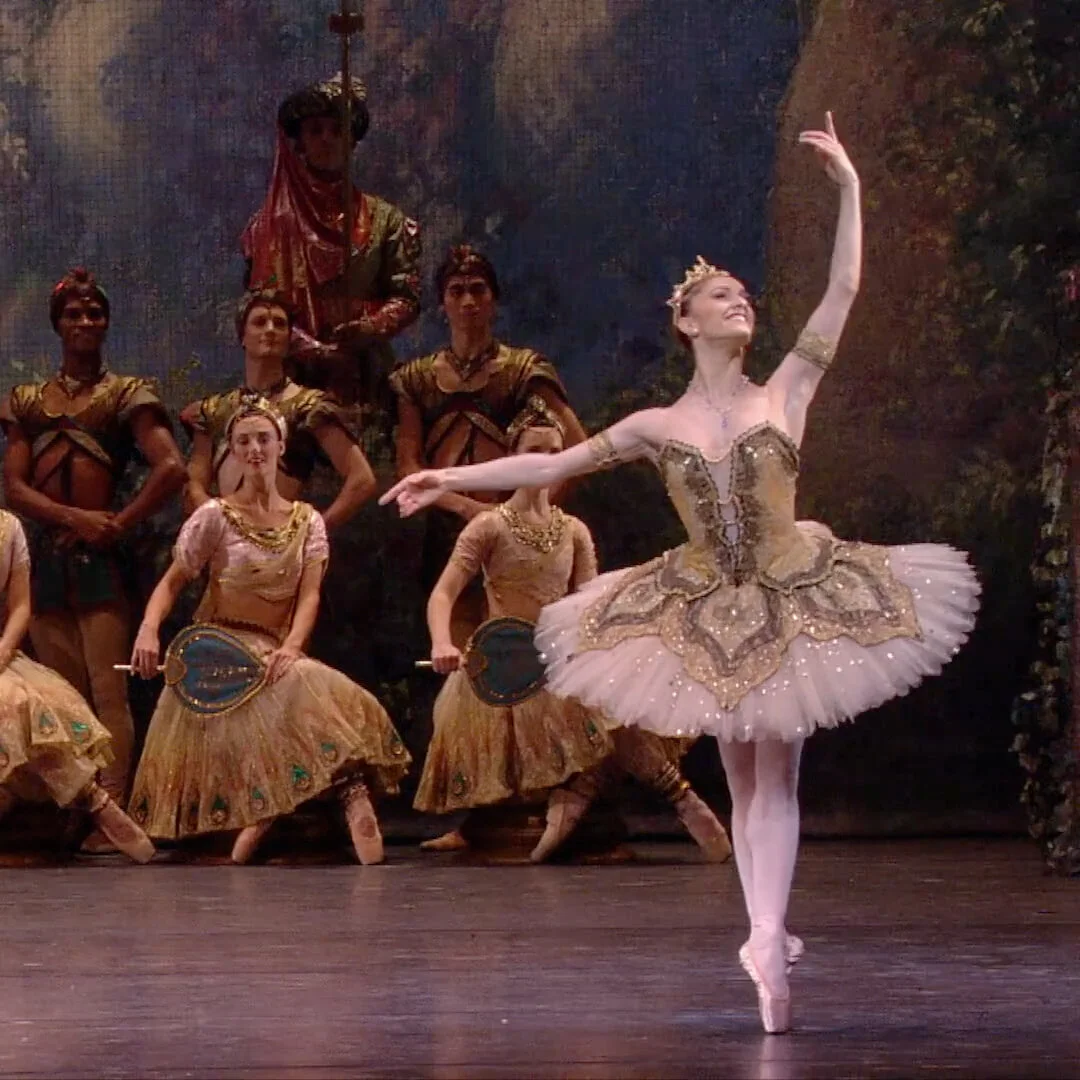
There are many valid ways to become a pattern maker. Some people are completely self taught and super talented, some people may be great with digital tools and doing things in a very tech-focused way, others may have been sewing and self drafting for years and then turn to making patterns for others.
In my case I was professionally trained at the London College of Fashion, then worked in industry for fashion designer Zandra Rhodes and later went freelance in costume production for the Royal Opera House among other dance and opera companies (see the About Us page for more).
So my background has influenced how I design and make patterns, it’s not the only way of doing things, but it’s the approach that I was trained in.
We’re also a very small company, a one-and-a-half person family business, with pattern creation and general running of the business being done by myself, and my husband helping out part-time with a lot of the digital processes like video editing and maintaining the website. So our small size also influences the way we do things. (Some of the larger indies do have staff, offices, etc. but many small ones don’t).
1 - Inspiration
It all starts with some initial inspiration. I spend a lot of time looking at what people are wearing in real life and online. I’m particularly interested in the variety of body shapes out there and what compliments them. I want wearable and relatively simple to construct designs for a range of body shapes and ages. I often do some (usually terrible!) sketches of features and styles I think would work. Then it’s time to start drafting.
2 - Initial Drafting
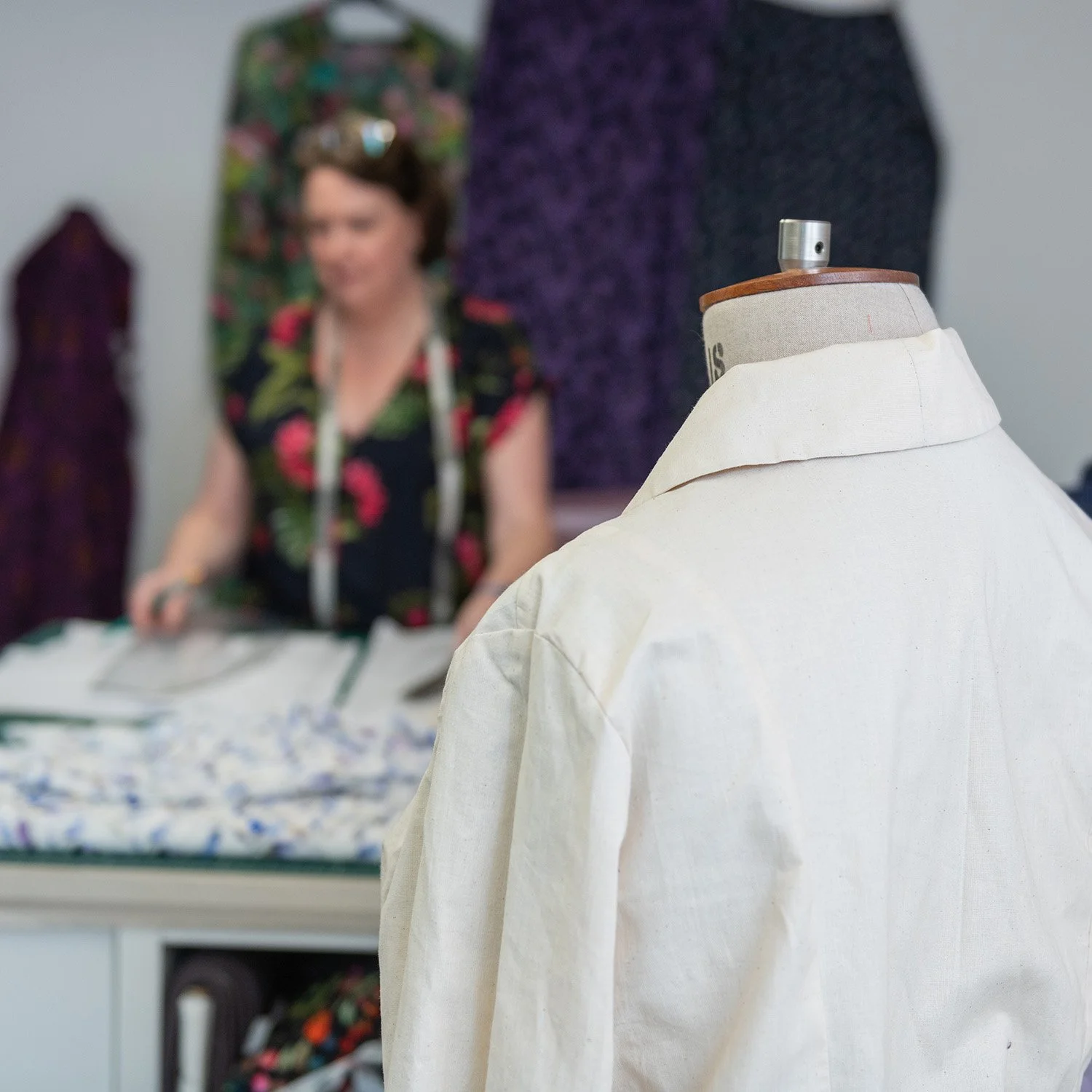
Making a toile
Drafting for me starts with a basic shape that I can make up in calico and put on the stand.
I prefer to work with pencil and paper so I can see the real life scale and proportions as I draft. Once that first shape is on the stand I will draw on any pocket placements or style lines I am wanting to incorporate.
At this stage I am also thinking about practical things such as covering bra straps and keeping construction options as simple as possible. I also need to consider fabric widths - will a size 30 fit across the fabric? Do I need an additional seamline to make it work across all sizes? When we grade down to a size 6 will there be enough space for that number of pleats at the same width? Which sizes need a smaller/larger pocket, etc?
The complete drafting process usually takes two to three weeks but can be longer if I’m not happy with how its going. In those situations I will pop it on the stand and look at it whilst I’m working on another pattern to give me time to process what I need to change.
Sometimes I’ll just abandon the pattern if it’s not working out - this can happen at any stage, even after it’s been graded & made up in a final fabric - it has to meet a quality standard that I’m happy with, regardless of how much investment has already gone into it.
3 - Testing and Iteration
Once I’m happy with the seam placements, etc. I’ll alter my paper pattern to reflect those additions and make a new toile.
For tops and dresses, I usually begin with a plain sleeve until I’m happy with the overall design. It’s all about taking things one stage at a time for me. Any tweeks I make to this second toile will then again be transferred to my paper pattern and another toile is made.
This process will repeat until I’m happy with the general fit, hang, seam placement, etc. Then I look at the sleeve design - length, fullness, shape, and so on. This will then be made up as a toile again.
Once I am happy with the garment as a whole I make a final toile in actual fabric to check it over one last time. I will trace off my paper pattern measuring every seam line and notch placement to ensure it is a accurate as possible for the grader.
4 - Grading
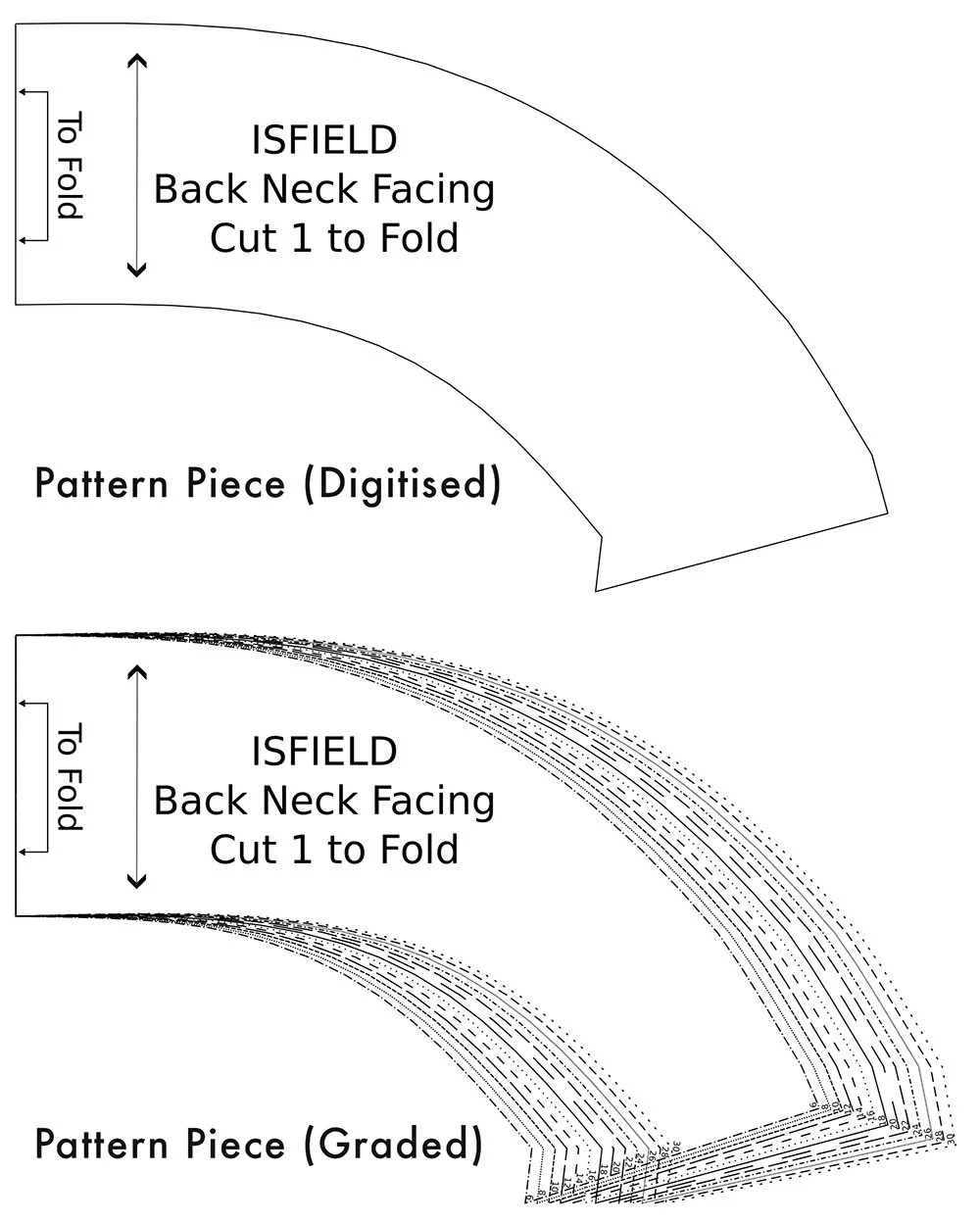
Example of sewing pattern grading
Once the pattern has been hand drafted and I’m generally happy with it, it will be sent off for digitisation and grading.
Digitisation is turning the hand drawn paper pattern into a digital line drawing. Grading is the process by which a pattern drafted for one specific size is adapted for the entire size range it is intended for. We typically grade patterns for sizes 6 to 30 (UK sizing).
Grading is a highly specialised skill. I learned how to grade at college but only by hand with pencil and paper which is a hugely time consuming and laborious process. I am happy to pass this task onto someone with a lot more experience with grading in the clothing industry than me! Computer aided grading software is also extremely expensive and I am no tech genius so i am happy to leave this bit to the experts.
The expert graders can also do more complex grading that scales correctly over a large sizing range, since body shapes do not scale linearly (a size 30 shape isn’t just a size 16 shape scaled up, the body proportions change). For this reason I toile in a size 16 as it helps maintain proportions across all the sizes when they are graded up and down from there (it also means I can try on the toiles to see how they fall on a real body not just a dress stand).
This expert help is especially useful for patterns that are trickier to grade as it allows me to create the shapes I want without worrying about how I’m going to grade it later.
5 - More Testing
Although our graders are wonderful, that doesn’t mean we don’t test the pattern in all the sizes to make sure there are no unforeseen issues (there could be mistakes on my part as well), and to see if there are tweaks we want to make to how the pattern is graded. All patterns are different and we want to make sure all the sizes work well for that design. If they don’t we may make the decision to reduce the size range slightly or in extreme cases scrap the pattern entirely.
6 - Making Samples
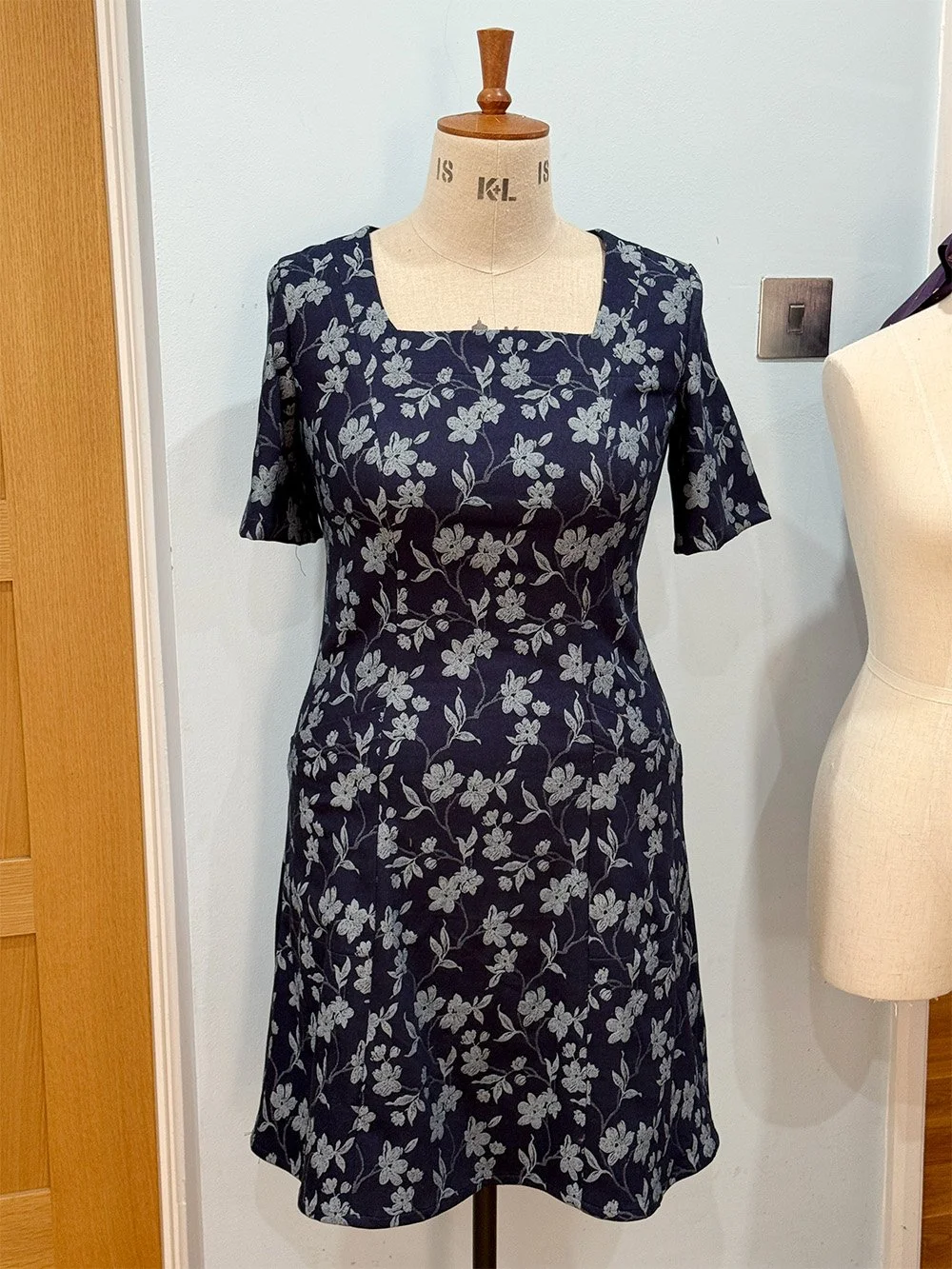
A sample make of the Plumpton Dress. Later used for a photo shoot.
Once the pattern has been tested, we’ll make up some samples in good quality fabrics to show the pattern in its final form. Often these samples are used for photoshoots at a later date. We make a handful of samples to show the pattern in different fabrics.
7 - Photography
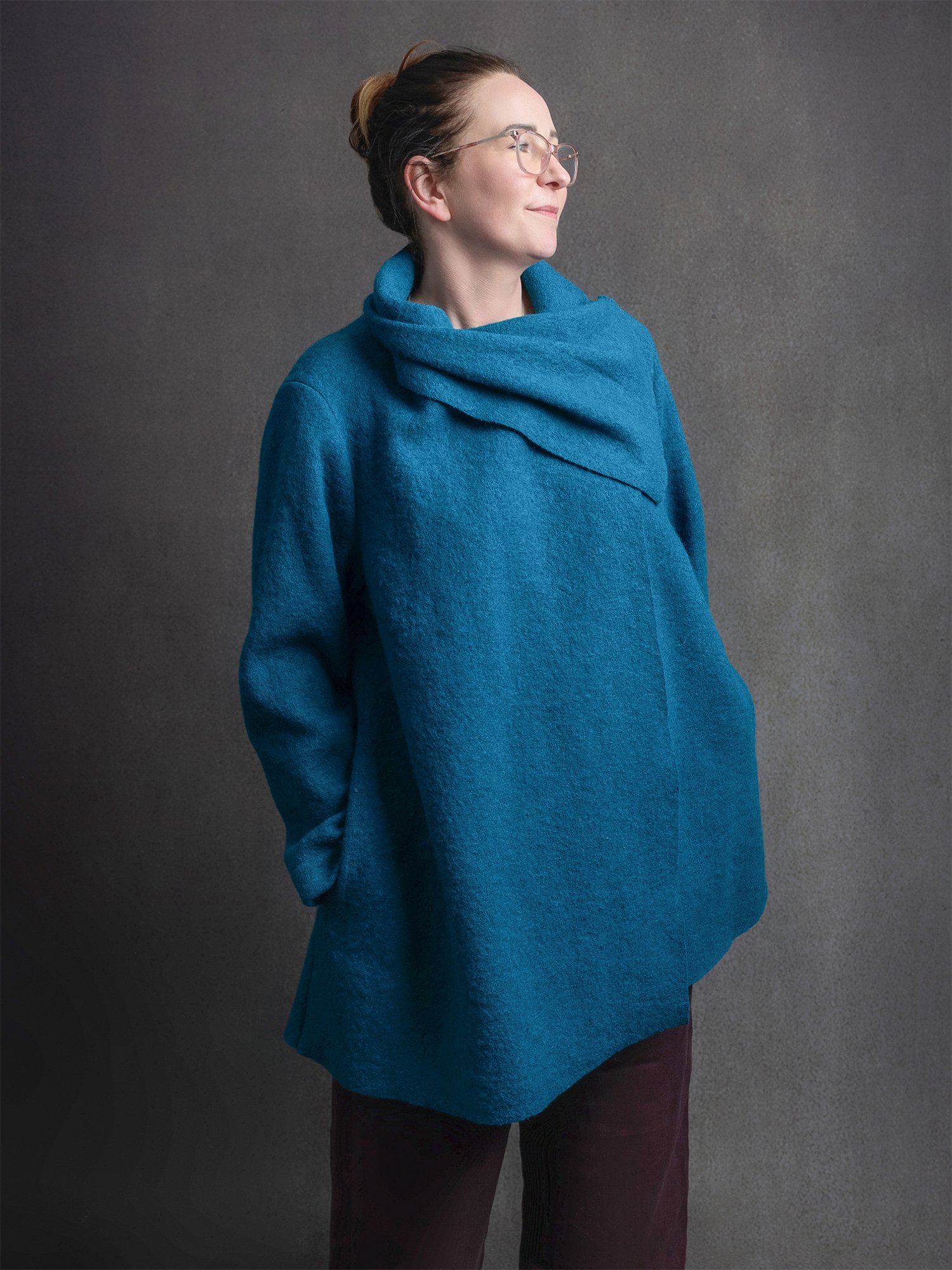
A professional photoshoot for our Emsworth Coatigan pattern
In practice photography can happen any time after final quality samples are made, it rarely happens right away. Professional photography can be expensive, so we try to book shoots when we can photograph a whole collection of patterns at once. Sometimes this means we’ll not have professional photography ready for a pattern’s launch, so we’ll fill in with some of our own amateur photography and update with the professional shots the next time we’re able.
8 - Filming The Tutorial Video
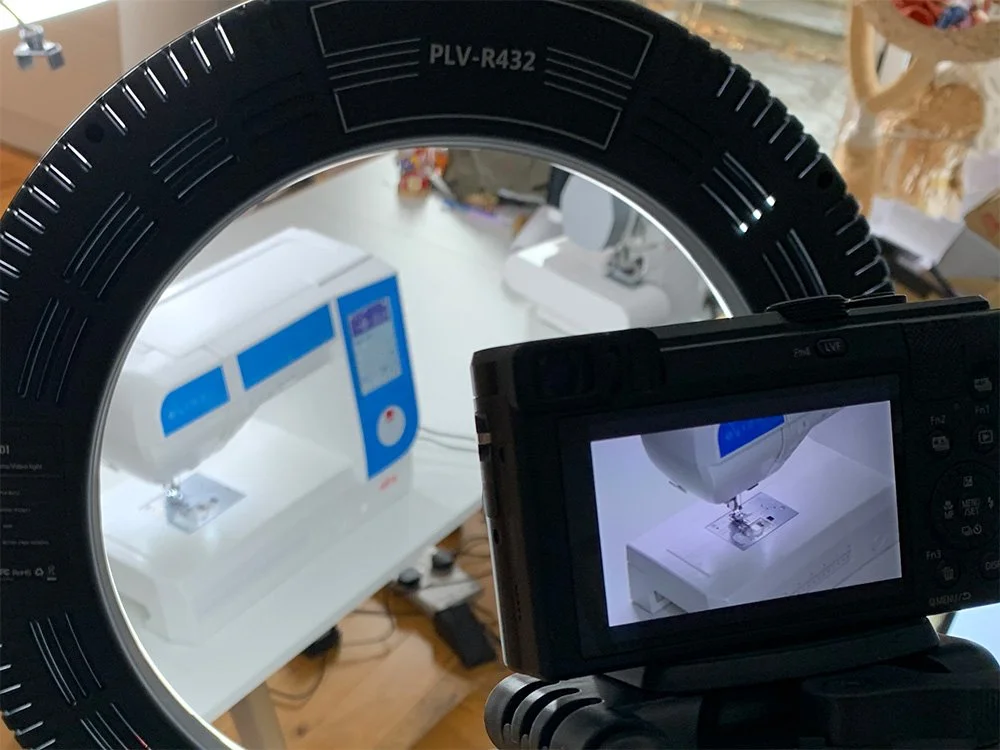
Setting up to film a sewing pattern tutorial
Filming the video tutorial takes quite a lot of equipment and set-up, including multiple cameras, lighting, tripods, and so on. As we’re a small company we don’t have space for a permanent filming set-up, so this is put up and broken down again every time.
It may be a surprise that we film a video tutorial ahead of other steps like writing the instruction manual. But we find that actually going through the construction process on video is a great final check that the method is clear. We’ll sometimes tweak things during actual filming to make the construction easier - demonstrating and explaining how to do it can often highlight when something sounds complicated, so we’ll adjust things accordingly.
9 - Video Editing & Recording Voice Over
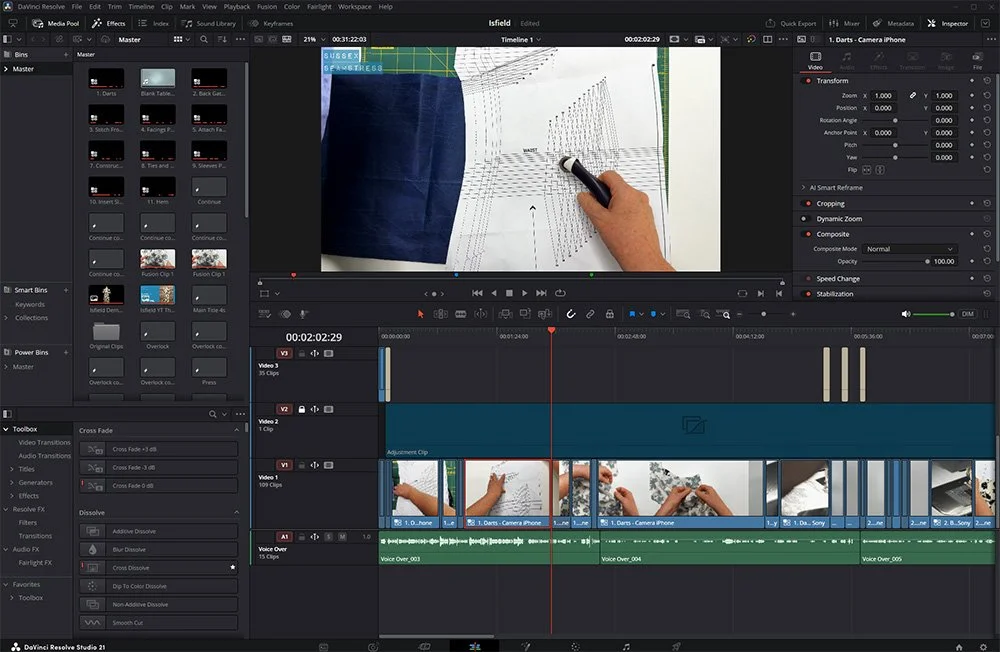
Example of editing a sewing tutorial video
Once we have (often hours) of footage from 3 different cameras, it’s time to get all those digital files together and edit them, creating something that clearly demonstrates the construction method.
Once the footage is edited, I’ll sit and watch it back, providing a voice over to explain the process and give additional hints and tips that I think may be useful. Although I also record some voice over when filming, this is more to ensure that the process sounds clear when I explain it, I prefer to record some higher quality audio later where I can focus on giving the best instructions.
After that, we’ll add timestamps so that anyone playing it back on YouTube can easily skip to the different sections of the tutorial.
10 - Making The Instructions
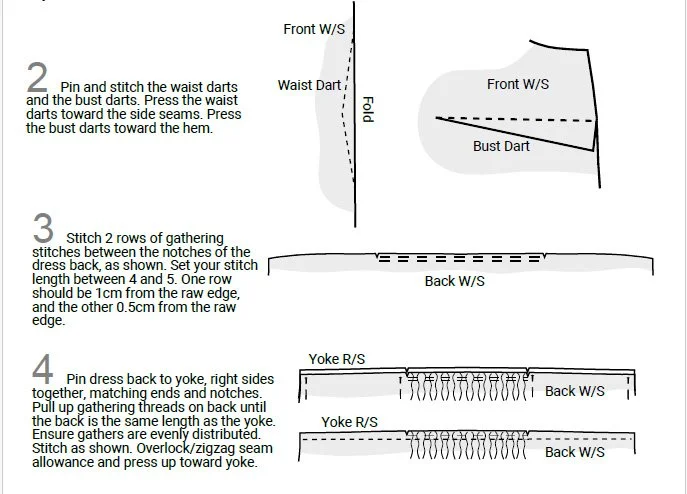
A short section from one of our sewing pattern instruction manuals
With the video tutorial filmed and voice-over done, we have a clear construction method defined. Now it’s time to turn that into an instruction manual. This is pretty time consuming, with a lot of the time spent on producing the diagrams to illustrate each step.
Alongside this there’s the written instructions, which can take a lot of iteration to make as clear as possible. I tend to have a very to-the-point style, so we keep these factual and concise, as we personally find long paragraphs of explanation can be harder to take in.
As well as the construction steps, it’s also time to work out cutting layouts for the key sizes, along with fabric requirements, line drawings and finished measurement charts. Basically all the information you need to make the pattern.
11 - PDF Versions
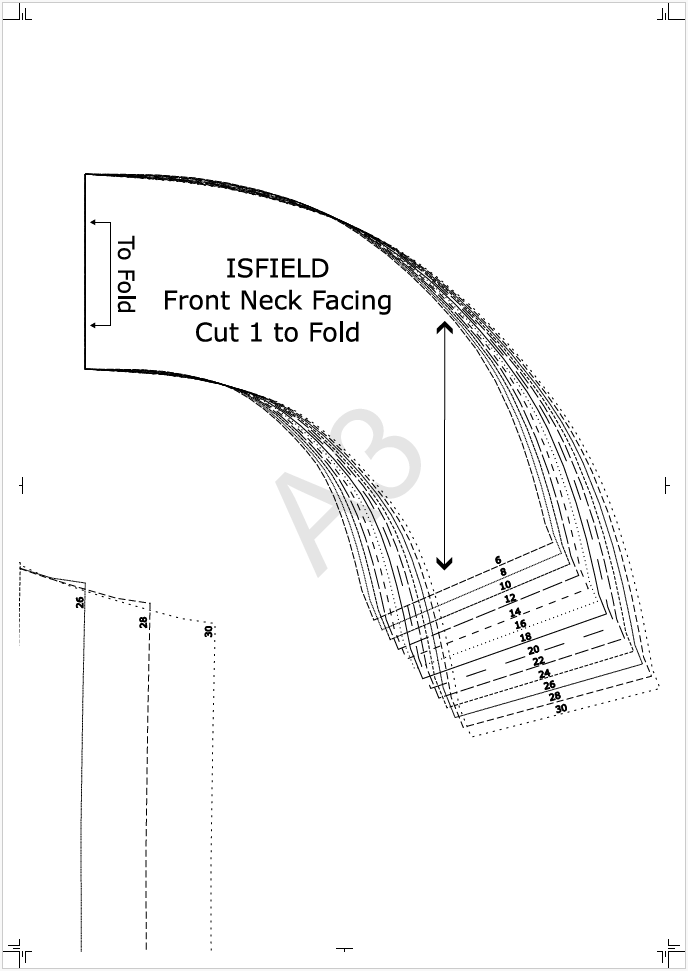
A single A4 sheet from a PDF sewing pattern
Then it’s some more technical work, digitally laying out, processing and labelling the pattern and chopping it up into A4 and US Letter PDF versions. We’ll also layout the pattern for the A0/A1 version, which is what we print for the paper pattern (PDF buyers also receive the A0/A1 files).
12 - Packaging
Since we provide paper patterns as well as PDFs, we need to create the packing and print and package the patterns and manuals. We pack all our patterns by hand. Our wholesalers need special packaging that works better in a shop environment, so we create those versions as well.
13 - Web Pages, Marketing & Launch
We’re almost there. Finally we need to create the product pages on our website, along with sourcing and putting together any kits for the pattern, and various website admin tasks like updating our Stash Buster with the new pattern information.
When everything is ready we’ll write a marketing email for our newsletter subscribers, as they get to know about new patterns first, and importantly about new kits, since these are limited stock.
After that it’s letting our followers know via social media posts, and that’s it - a new pattern is launched.
And It’s Done
So that was a very long way of saying “No, indies aren’t making all their patterns with A.I.”.
This is our process - other indies will do things differently. We use traditional techniques at the start and become increasingly digital as production goes on, some indies are digital from start to finish.
We’ve described the process for a single pattern, typically we release around 10 new patterns a year, with multiple in development at any one time.
Not all our time is spent on pattern development, since there’s also a business to run.
Does It Matter?
Will any of this hard work matter in few years time?
A.I. can’t currently produce a high quality sewing pattern, regardless of what people may say. There are plenty of cheap PDF patterns out there but they aren’t all A.I. and some are unfortunately stolen from genuine makers - we had our own digital pattern library stolen a couple of years ago - it was heartbreaking. But it’s possible that in the future A.I. will be able to produce something that is indistinguishable from a human made pattern.
Ultimately it’s not about how much effort we put in - it’s about whether you like the final result. So take a look at our pattern collection via the “Shop” link above. They are made by humans.
Sussex Seamstress

Sussex Seamstress is an independent pattern studio, based in Sussex, UK.
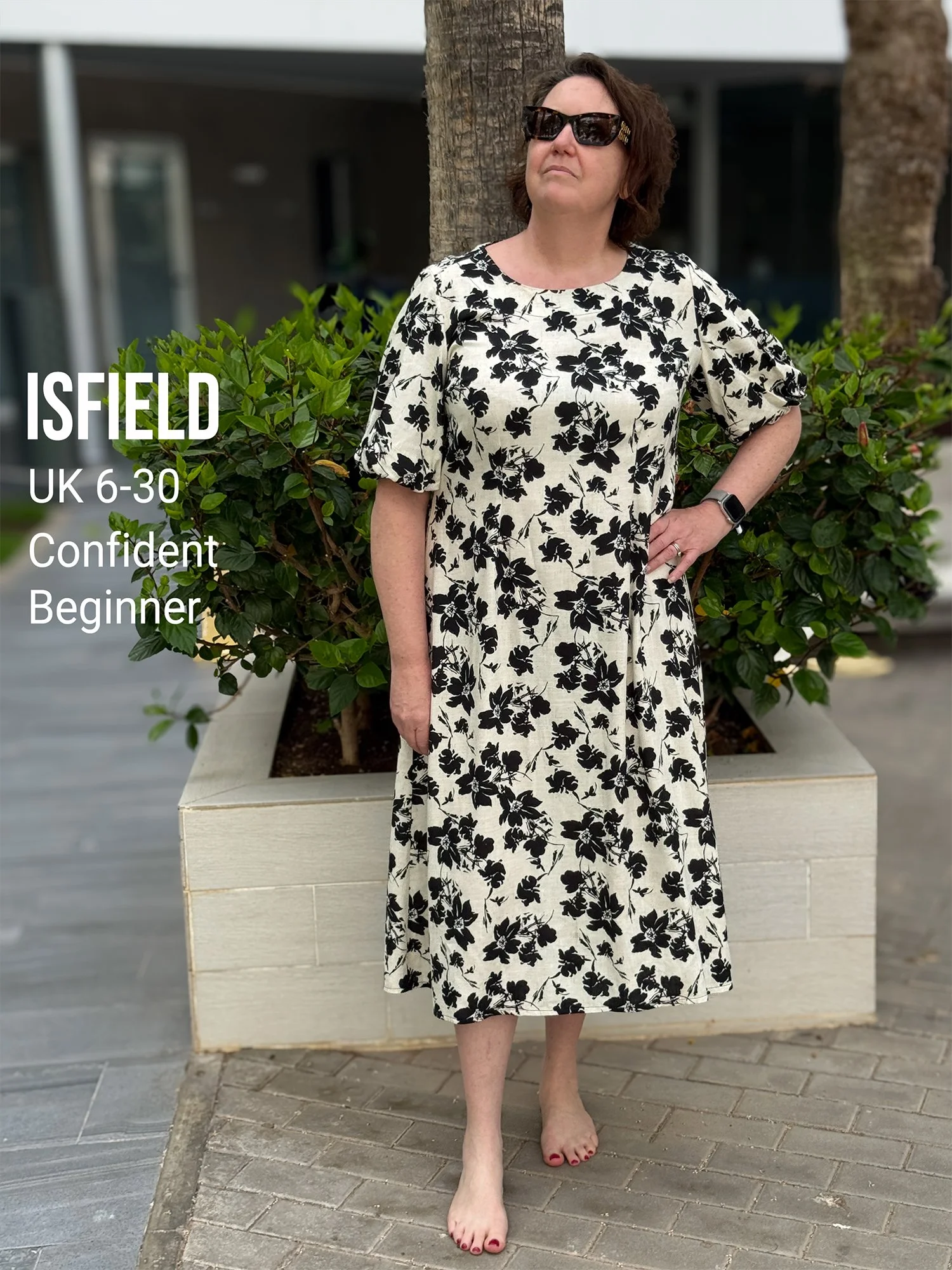
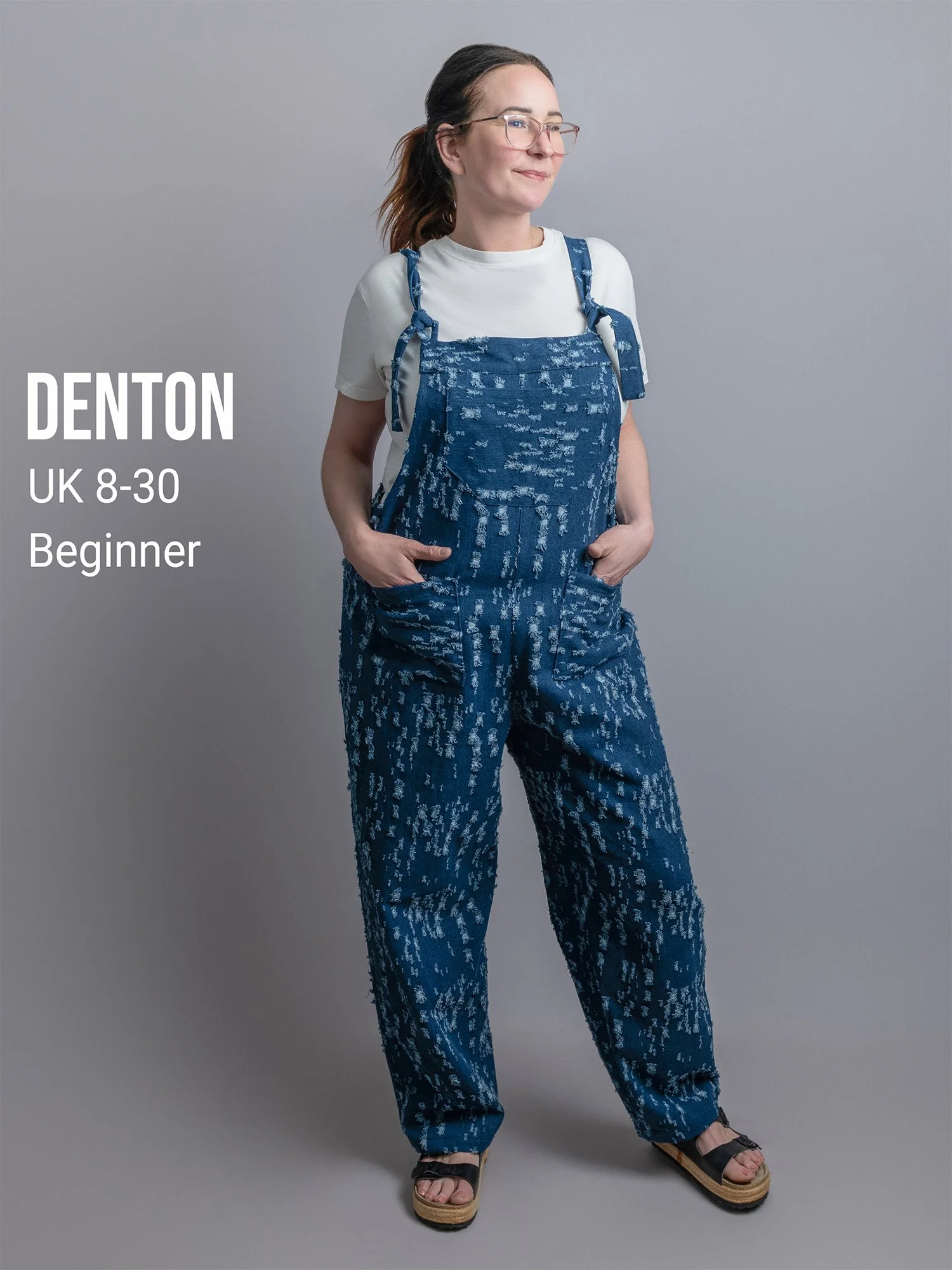
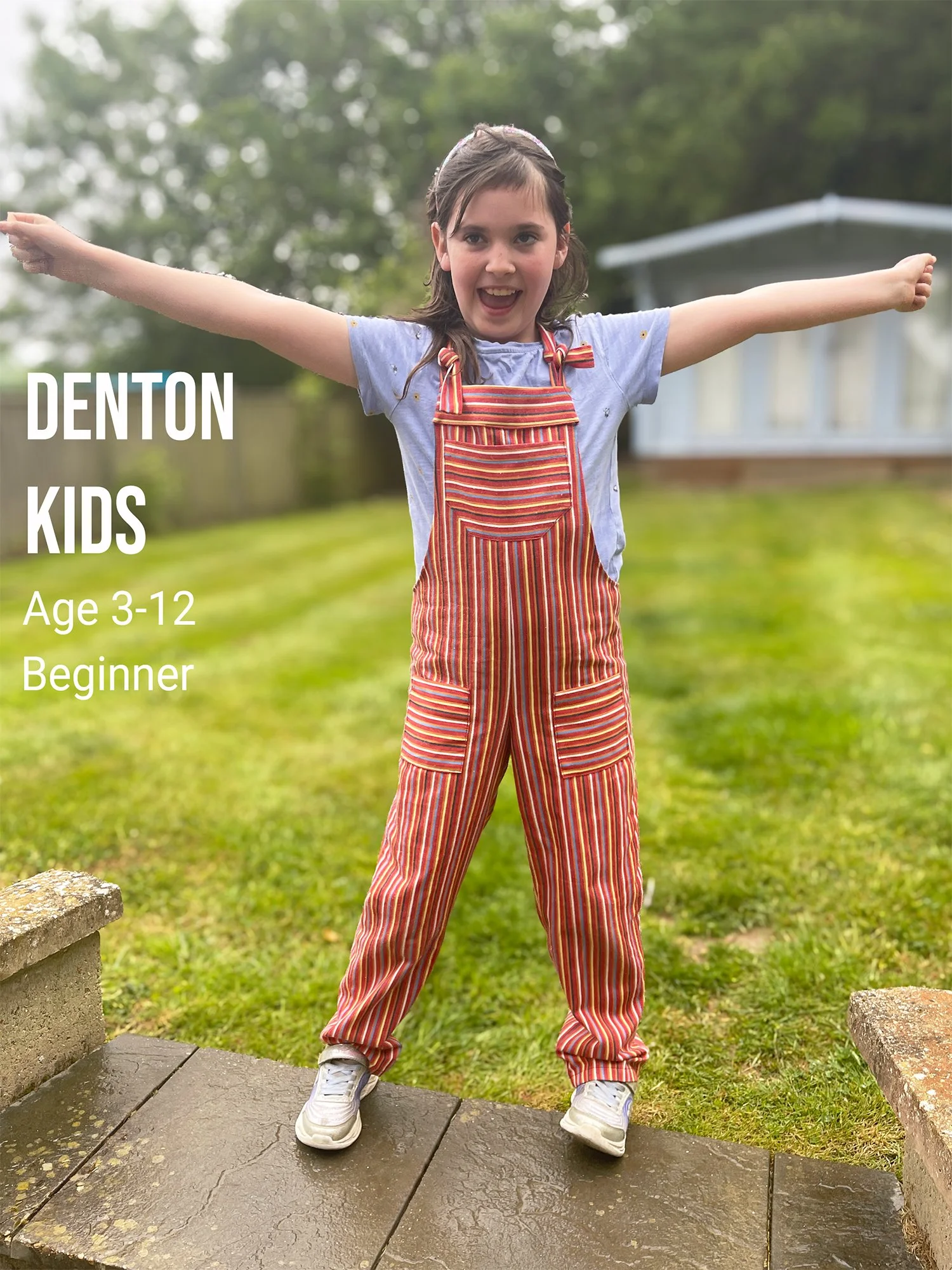
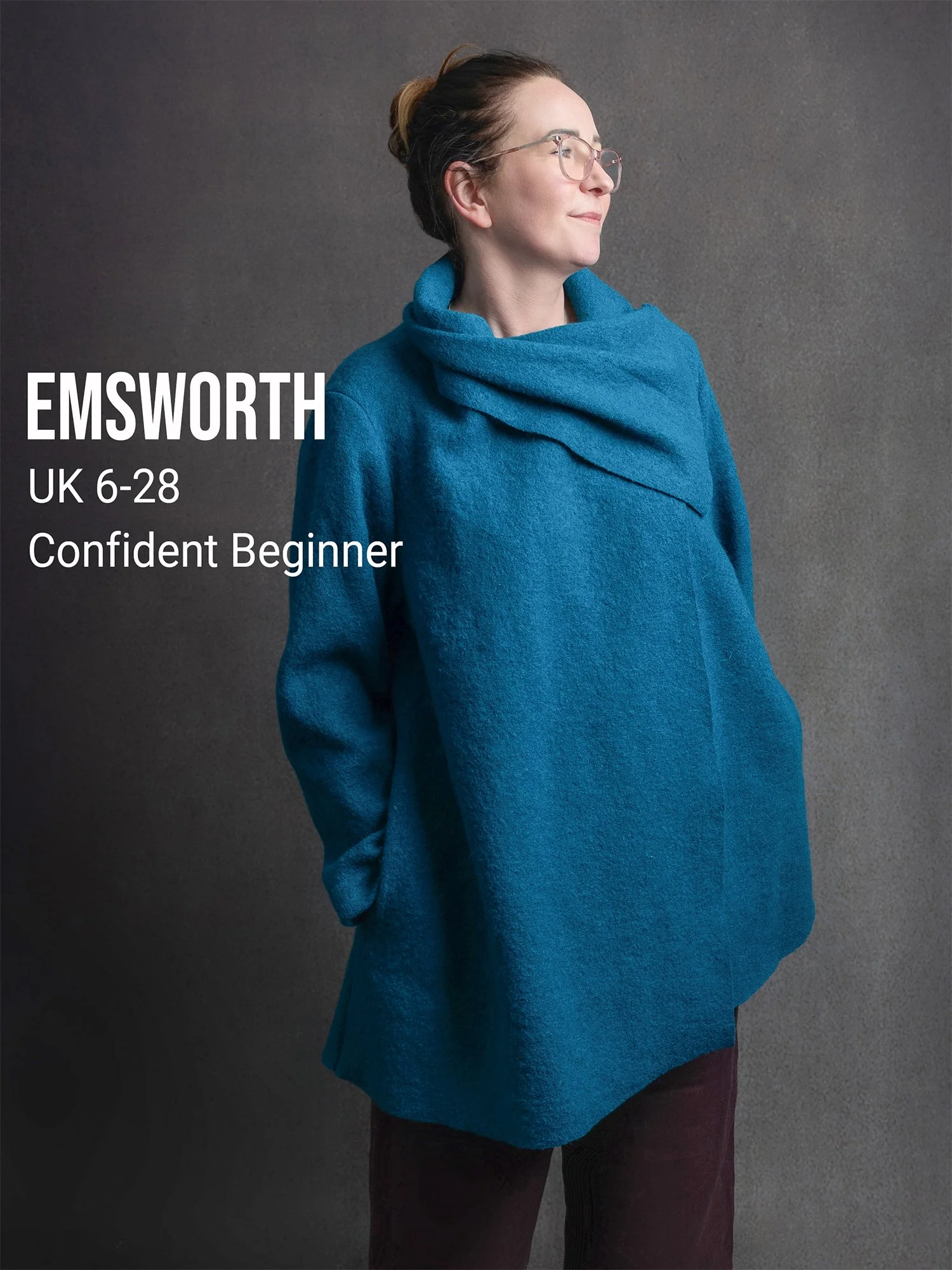
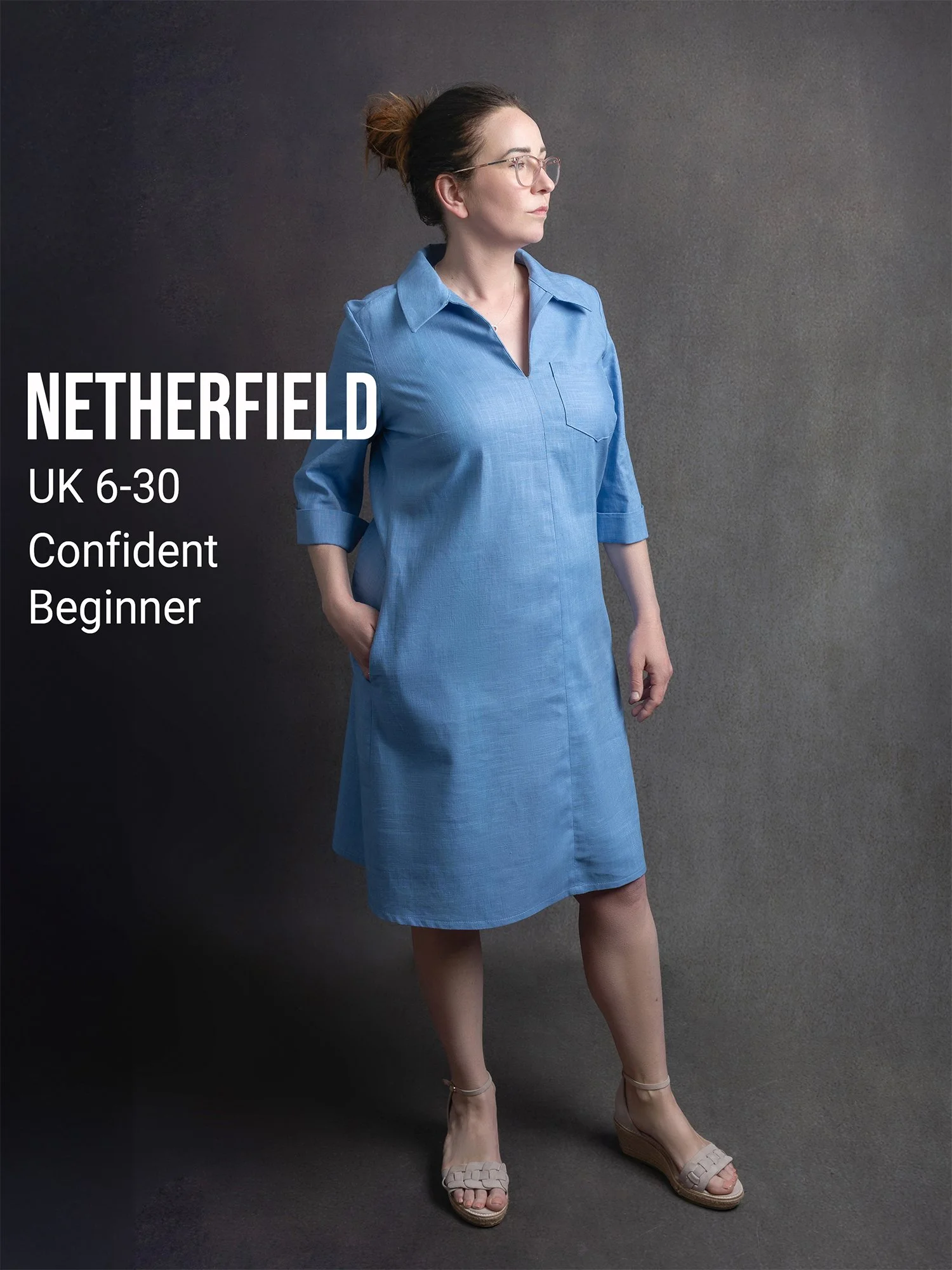
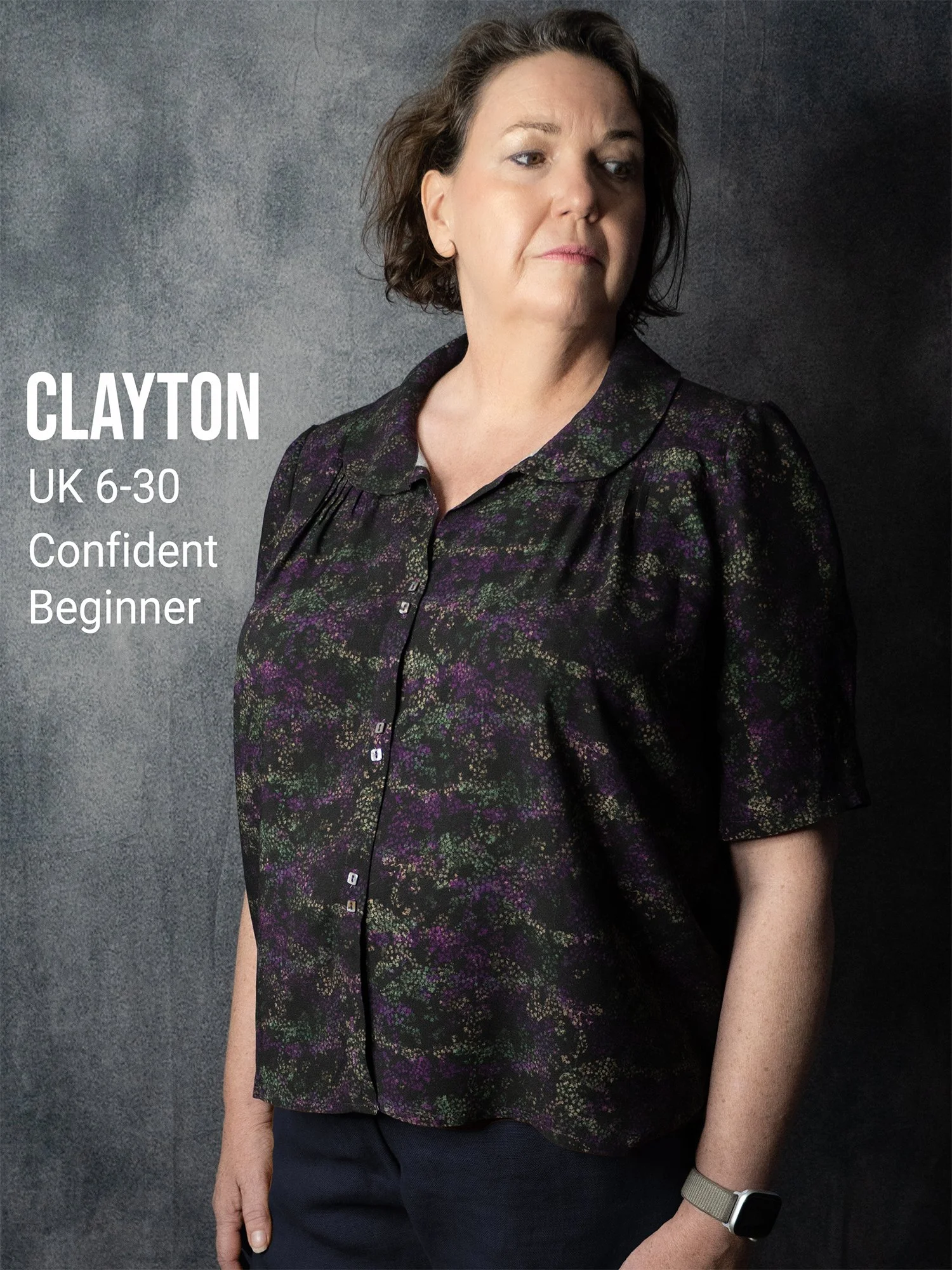
Check out our range of dressmaking patterns in sizes 6-30. A Selection of our recent patterns is shown below. Thank you!



The Rusper Blouse combines vintage-inspired details with a relaxed, modern silhouette. The open neck blends into a continuous collar band that extends into neckties, which can be tied in a classic bow, a loose knot, or left elegantly draped.
Delicate gathering at the front, shoulders and back neck creates texture,and gives a comfortable, fluid fit across the bust and shoulders.
The elbow-length Raglan sleeves feature subtle volume gathered into a neat cuff, finished with a self-tie closure.
Whether you dress it up and tuck it into a tailored skirt or keep it casual and flowing over your favourite jeans, the Rusper can be adapted to all occasions, providing a versatile addition to your me-made wardrobe.
This pattern is also available as part of a full kit with pattern, fabric and notions - you can find it on the Kit Page (while stocks last).
Sizing
UK: 6 - 30.
US: 2-26. EU: 32-56.
Suggested Fabrics
Make up in a fine viscose or cotton lawn, cotton voile or broderie anglais for a soft casual feel to wear with jeans or a casual denim skirt. Alternatively, use a crepe-de-chine , Georgette or silk satin to elevate the look for office or evening. Wear with a tailored skirt or straight leg trousers for a showstopping look at special events.
Fabric Requirements
Up to Size 30 : 140cm wide = 2.1m, 115cm wide = 2.8m
Up to Size 22 : 140cm wide = 1.7m, 115cm wide = 2.5m
Note: No provision has been made for pattern matching the CF. If required, additional fabric will be needed (fabric dependant).
Notions
• Thread
Skill Level
Advanced Beginner
Format
This is a paper pattern, we aim to ship patterns within 1-2 working days.
If you would prefer a PDF digital download pattern you can order it here: Rusper Blouse PDF
Want a 10% Discount? Join our mailing list